How to Navigate Australia's Real Estate Market with a Tech Edge
Analyzing Market Trends
Current Property Trends in Melbourne
In Melbourne's vibrant property market, understanding current trends is crucial, especially for anyone eyeing a house and land package Melbourne. With technology becoming an integral part of our lives, modern homebuyers seek residences equipped with smart features. Imagine integrating state-of-the-art technology for security and efficiency right from your phone while you relax. This tech-infused approach caters to the demands of today's informed buyers, making it an appealing option for those with a tech edge.
Smart features aside, another prevalent trend revolves around the surge in demand for display homes Melbourne. These homes offer prospective buyers a sense of assurance and predictability in terms of layout and finishes. Combining an innovative design with practical liveability, these homes represent an optimal embodiment of style meeting functionality.
Moreover, as people continue to prioritise convenience, developments like Mt Atkinson display homes are seeing increased interest. Positioned strategically near essential amenities, they promise both ease of access and a comfortable lifestyle. Such neighbourhoods reflect a growing preference for locations that support holistic family living.
For those like me, who's fascinated by both technology and prime real estate, visit locales near familiar landmarks like the South Bank Parklands in Brisbane helps bridge the connection between past experiences and future aspirations. Melbourne consistently presents opportunities to explore contemporary living environments, making every house hunt a unique journey.
Tech Tools for Real Estate
Top Apps for House Hunting
In today's tech-savvy world, diving into the right display homes craigieburn vic market starts with the best apps for house hunting. These tools simplify your search, offering features that cater to both beginners and seasoned property hunters like Lucas. Applications such as Domain and realestate.com.au provide real-time updates and customizable notifications for those must-see homes. By integrating with platforms that host virtual tours, you can evaluate properties in areas like display homes sunbury from the comfort of your couch.
Virtual Reality: Immersive Home Tours
Virtual reality (VR) presents an ideal opportunity to explore properties in Melbourne without leaving your favourite spot at South Bank Parklands. VR technology allows potential buyers to immerse themselves in 3D walkthroughs. This means examining every nook and cranny of a prospective home in Craigieburn or another locality with minimal time investment. The use of VR tools is a game-changer, particularly useful for busy individuals like Lucas, who are juggling demanding careers with the search for the perfect home.
Data-Driven Decision Making
Relying on data-driven insights plays a crucial role in making well-informed property choices. Tools that analyze market trends, neighbourhood dynamics, and historical property values elevate the buying experience. Utilising data can help predict future property values and potential investment returns. For a seasoned professional like Lucas, having access to a platform that fuses engineering precision with real estate data is invaluable. This empowers him to strike a balance between function and return on investment, ensuring he makes the right choice for his family in Melbourne.
Finding the Right Location
Proximity to Construction Sites: Key Considerations
Living in Melbourne presents opportunities and challenges when it comes to choosing the ideal home. Proximity to construction sites can be crucial, especially for those involved in the industry. For someone like Lucas, a civil engineer, being close to his project site is essential for efficiently juggling work and family commitments. Checking locations around project sites early on can save time and stress.
When evaluating potential house and land package options, proximity isn't just about physical distance. Traffic patterns and peak travel times in Melbourne must be factored in, especially during peak hours. For example, areas like Gisborne can offer reasonable commute times with more open space, a bonus if considering display homes Gisborne for a more substantial exploration of living styles.
Evaluating School and Family Needs
A family-oriented city like Melbourne plays host to numerous reputable schools, a primary consideration for Lucas and other parents. Understanding the catchment zones ensures that access to quality education aligns with a property choice. Researching school ratings and community feedback can be illuminating.
Transport Links and Accessibility
Melbourne’s transport network is a lifeline for workers and families alike. Access to trams, buses, and the metropolitan train system simplifies the daily commute. Areas with convenient transport links reduce travel time, which is a significant asset for balancing work and home life efficiently. This makes it easier to enjoy local attractions like the Streets Beach at South Bank on weekends while maintaining regular weekday schedules.
Evaluating Display Homes
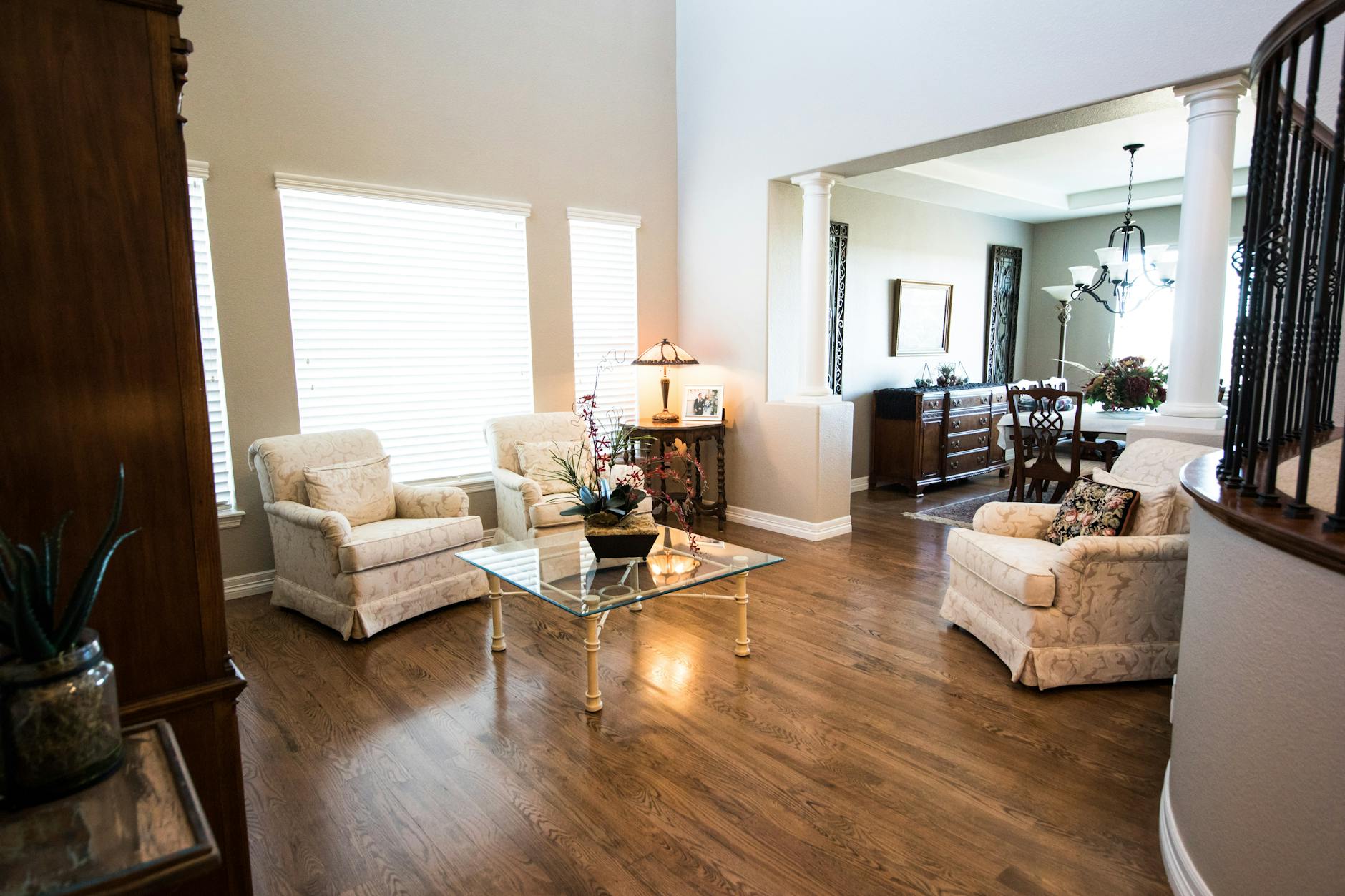
When you’re evaluating display homes, it's critical to keep practicality at the forefront. As someone with a tech-savvy edge, I find it especially exciting to uncover smart home features that immediately elevate the functionality of a property. Display homes provide a tangible experience, almost like stepping into a living portfolio of potential living spaces. In regions like Point Cook, exploring point cook display homes can offer innovative layouts that cater to a tech-oriented lifestyle.
When planning a visit, focus on homes that feature energy-efficient appliances, a centralised control system for lighting and security, and optimised climate control systems. These elements not only enhance comfort but also represent cost-effective and eco-friendly choices for the future. In light of technological requirements, ensure that wiring and connectivity options meet high standards for entertainment systems and smart home capacities.
As you explore different designs, consider the efficiency of space utilisation. Homes in locations such as Wollert often showcase versatile layouts that allow for adaptability as family needs evolve. From open-plan kitchens to multifunctional living areas, ensure that the space accommodates your lifestyle fluidly. Wollert display homes often provide excellent examples of integrating modern aesthetics with everyday practicality.
From the smart technologies to the thoughtful design elements, display homes bridge the gap between imagination and reality, offering valuable insights into the countless possibilities for your future residence.
Avoiding Common Pitfalls
Neglecting Market Data
Skipping the step of diving into robust property market research can trip you up in an investment or home-buying process. In the ever-evolving landscape of Brisbane’s real estate, understanding the nuances of the market ensures you make informed decisions, equipping you with the power to anticipate trends, akin to how you’d predict the growth of South Bank Parklands. Market data isn't just numbers; it's a map guiding you to the right investment decisions.
Overlooking Future Development
Picture walking past the Queensland Museum without peeking inside—just as you wouldn’t want to miss the wonders within, neglecting to investigate proposed developments in a neighborhood can lead to future regrets. The allure of Streets Beach at South Bank could someday be marred by towering new infrastructure if development plans aren’t factored into your choices. Check council plans and pending projects, which could significantly alter the suburb's ambiance or property values.
Misjudging Neighborhood Dynamics
Underestimating the vibe of a neighborhood is like getting a smart home system with outdated software—it's not in sync with your lifestyle needs. Observing how well the locality meshes with personal preferences, from the community's tech readiness to its cultural pulse, ensures it's a place you'll resonate with. Consult locals, visit at different times, and immerse yourself in the daily life to fully appreciate the rhythm and opportunities the area presents. Understanding these dynamics empowers you to select a location that truly feels like home.